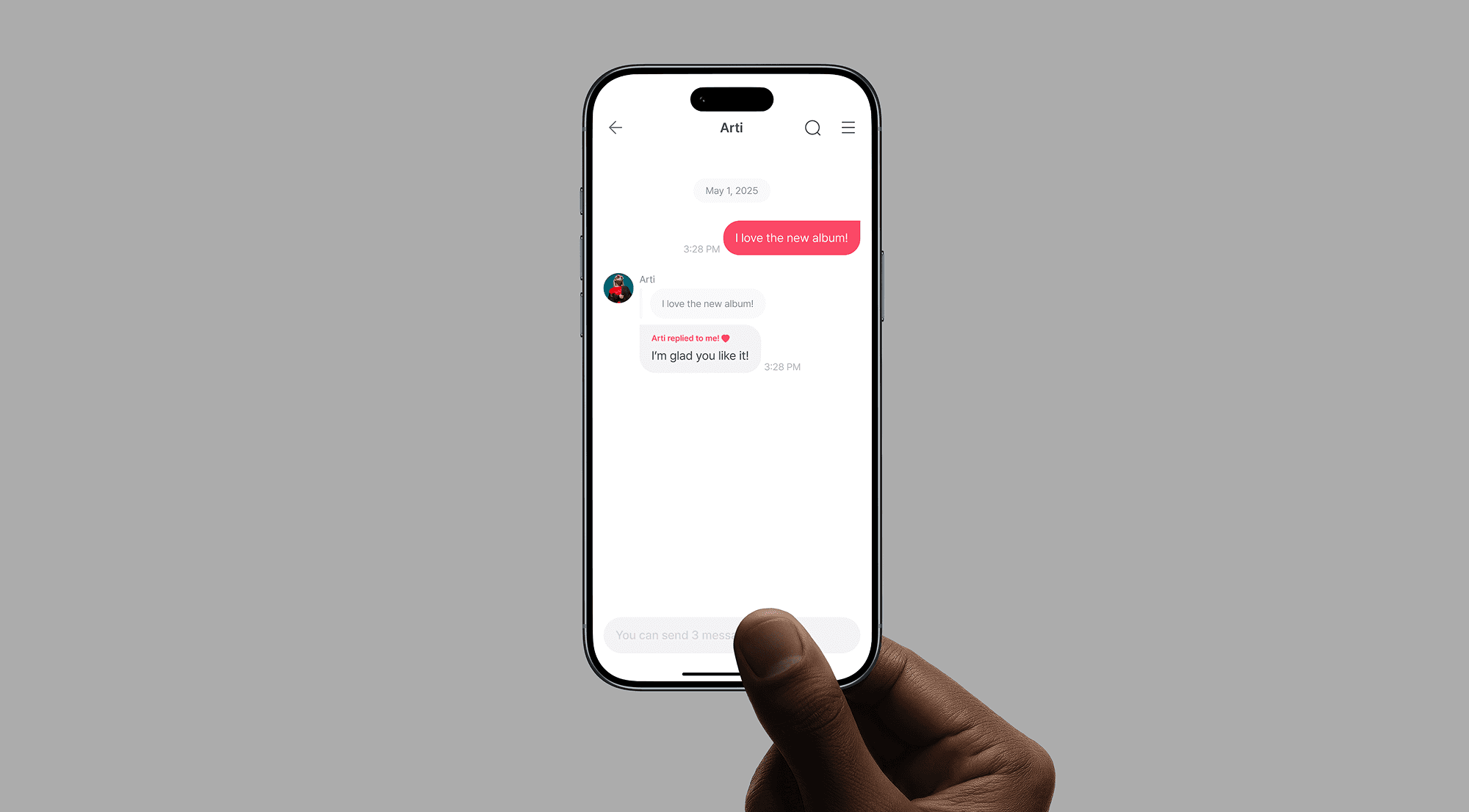
Reply feature enhanced fan–artist communication
Artist messages sent increased by 4.6%
Company
fromm
Industry
Social Platform
Duration
3 Months (2025)
My Role
Product Designer
Team
1 Product Designer, 1 Project Lead, 1 Product Manager, 6 Engineers(Android, iOS, Backend), 1 QA Tester
Overview
What is fromm?
fromm is a K-POP fandom platform where artists and their fans connect through direct messaging.
It is designed to look and feel like a standard personal messaging app, allowing fans to receive messages directly from their favorite artists. Fans experience the service as a private chat, although each artist message is sent to many subscribers at once.
Problem Space
What is the issue?
The main issue comes from the gap between the user's perception and the actual system.
While fans feel like they are in a one-on-one chat, the artist is actually replying to thousands of fans at once. It was difficult for fans to identify which specific message the artist was responding to.
Research
User interview: Fan perspective
We interviewed fans to understand why artist replies felt difficult to follow.
1. Context gap: Fans struggled to follow conversations when artists changed topics abruptly.
2. Low satisfaction: Unclear messages break the conversation, making it hard for fans to stay focused.
3. Business risk: 22% of users said they would consider canceling their subscriptions, which directly impacts business revenue.
And also, all participants wanted to receive more messages.
Tracking behavior: Artist perspective
By tracking real time behavior, we discovered two distinct patterns.
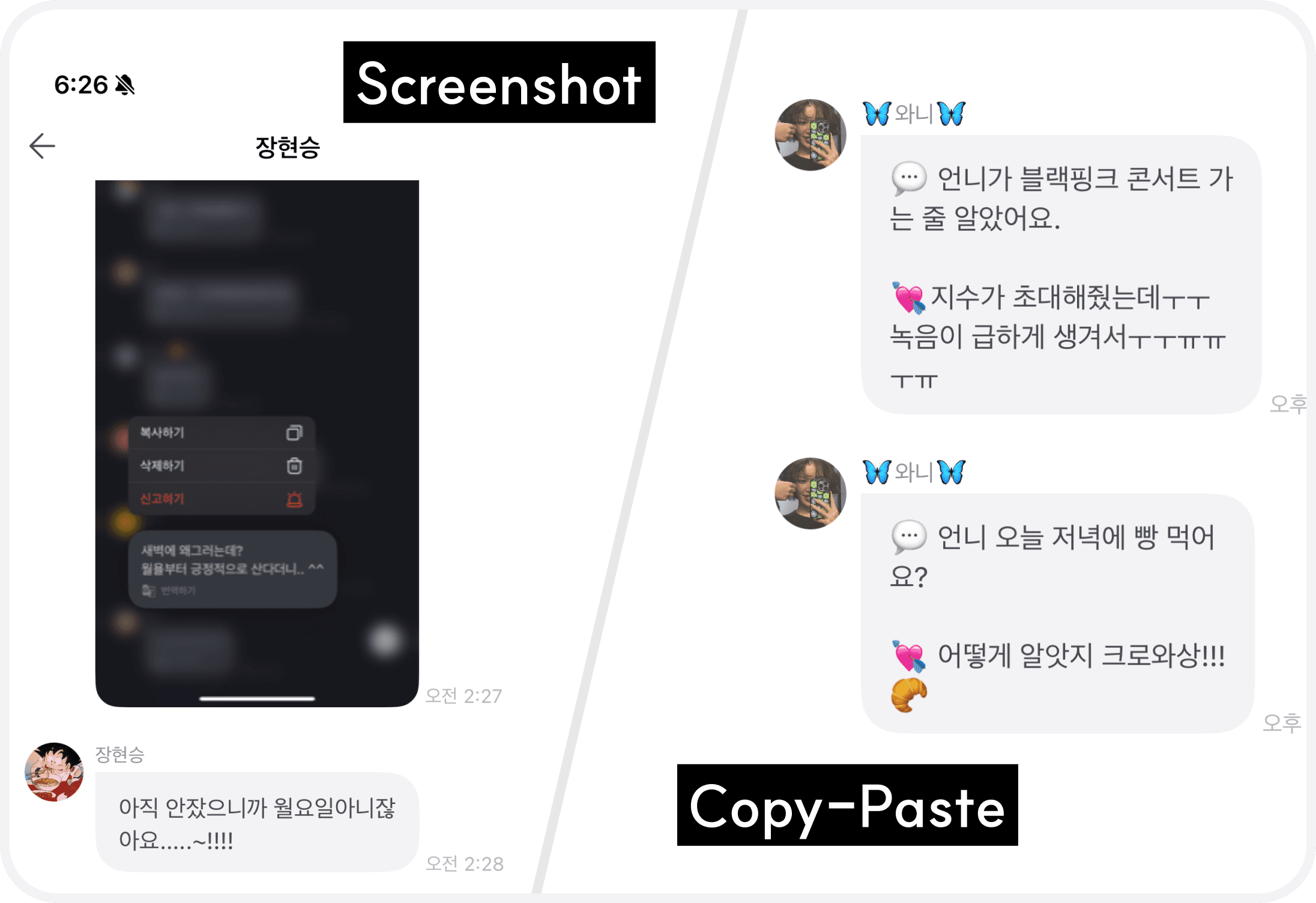
1. Screenshot: Capturing fan messages as photos to provide context.
2. Copy-Paste: Manually copying fan text into their own replies.
Both patterns were highly inefficient, taking at least 20 seconds per message. We identified this as a major barrier that prevented artists from sending more messages, which was the fans' biggest desire.
Competitive research & UI analysis
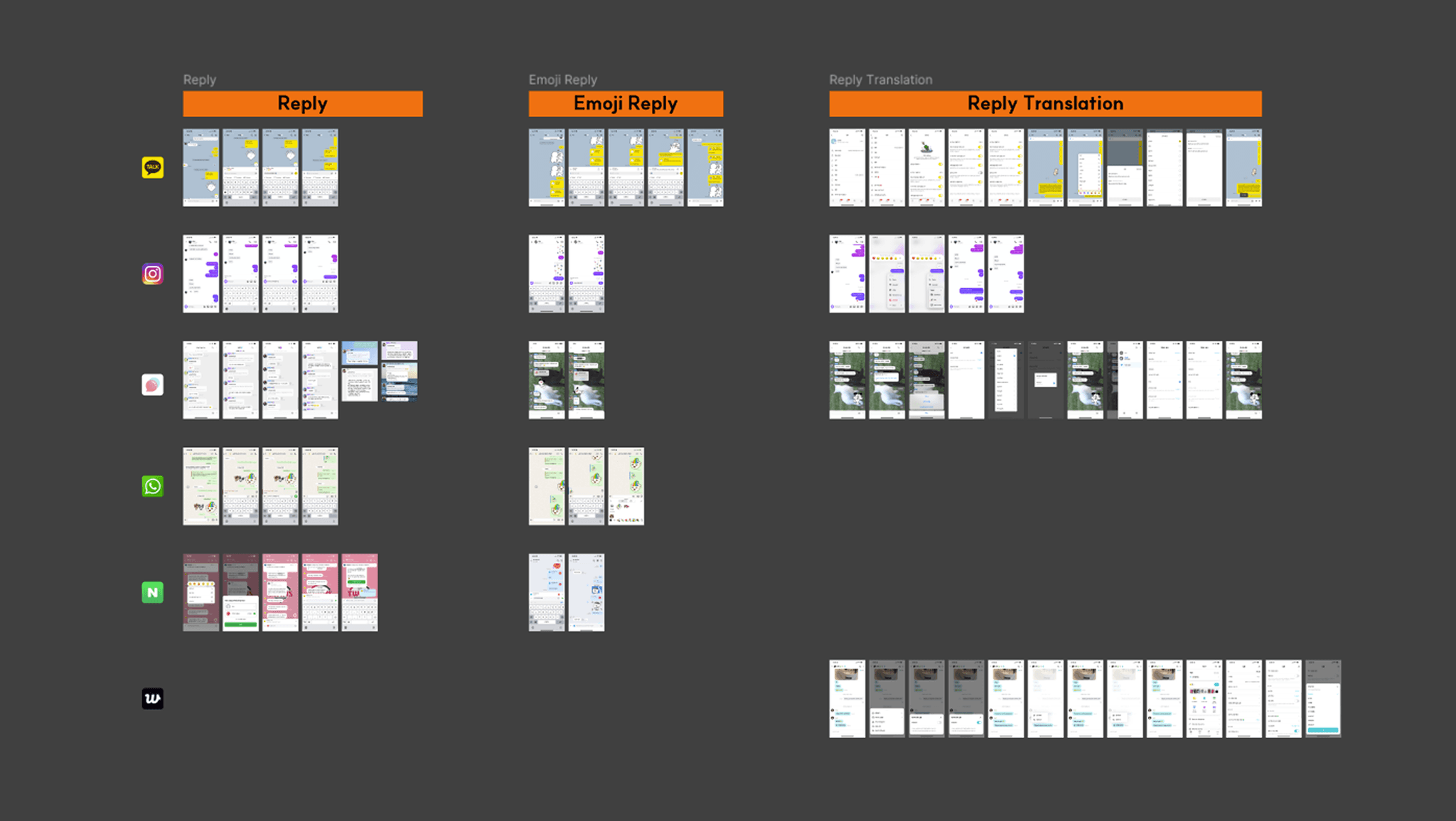
I reviewed reply patterns in competing fandom services and messaging apps, then compared how each product showed message context. I also looked into existing translation features and the emoji reply function planned for the next project. This comparison led me to keep the reply interaction familiar while making the original fan message easier to identify.
Iterations
User testing & Iterations
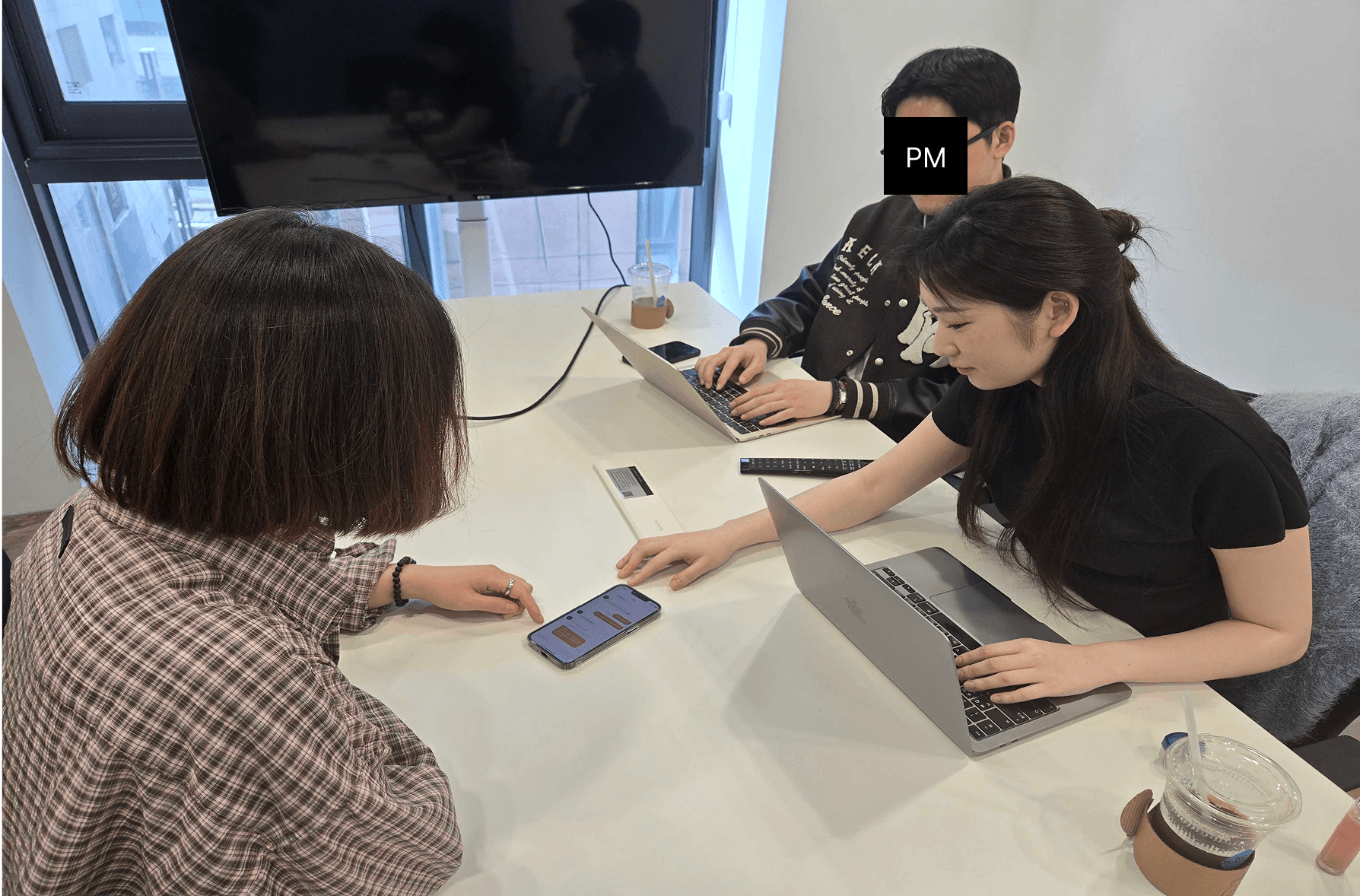
Conducted a pilot test with 3 users to identify key iteration adjustments.
User voice
1. Lack of Visual Hierarchy: "It was a bit hard to read because the artist and fan messages weren't clearly separated."
2. Underwhelming Experience: "Getting a reply from an artist is such a rare thing, but it felt too ordinary."
I revised the message hierarchy and reply styling to separate fan and artist messages more clearly and make replies feel more distinctive.
Design - Fan
Easier conversation flow. Replies feel special, like a gift.
I tested different layouts and background colours to distinguish replies without making the conversation feel like a separate mode. I added reply labels and notifications so fans could recognise when an artist had responded to them.
Result
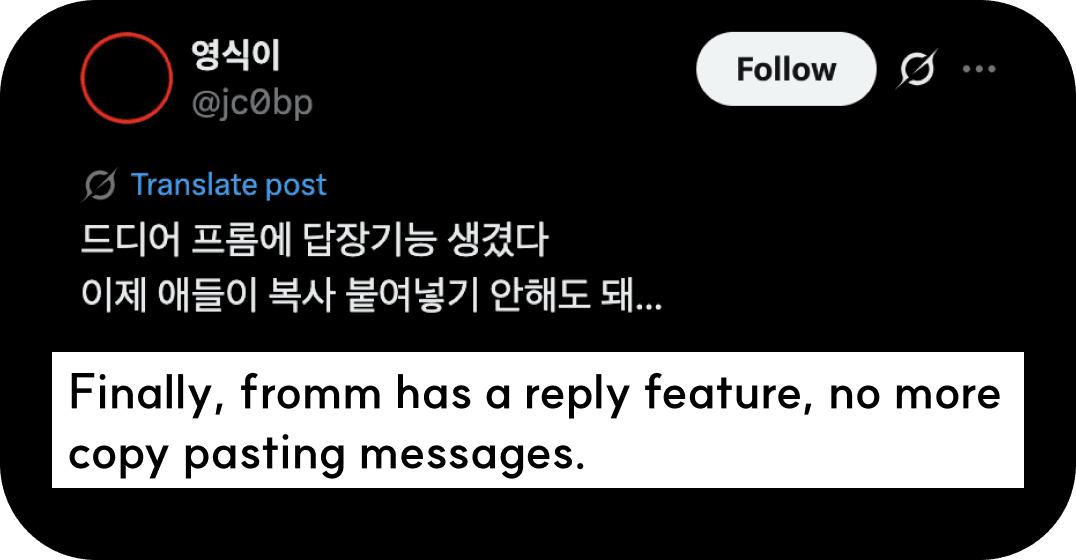
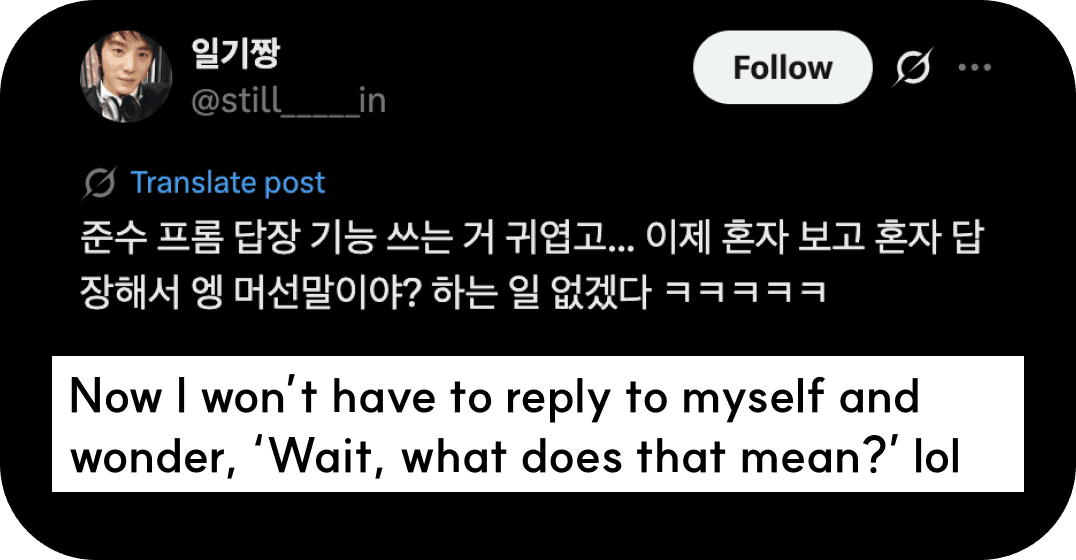
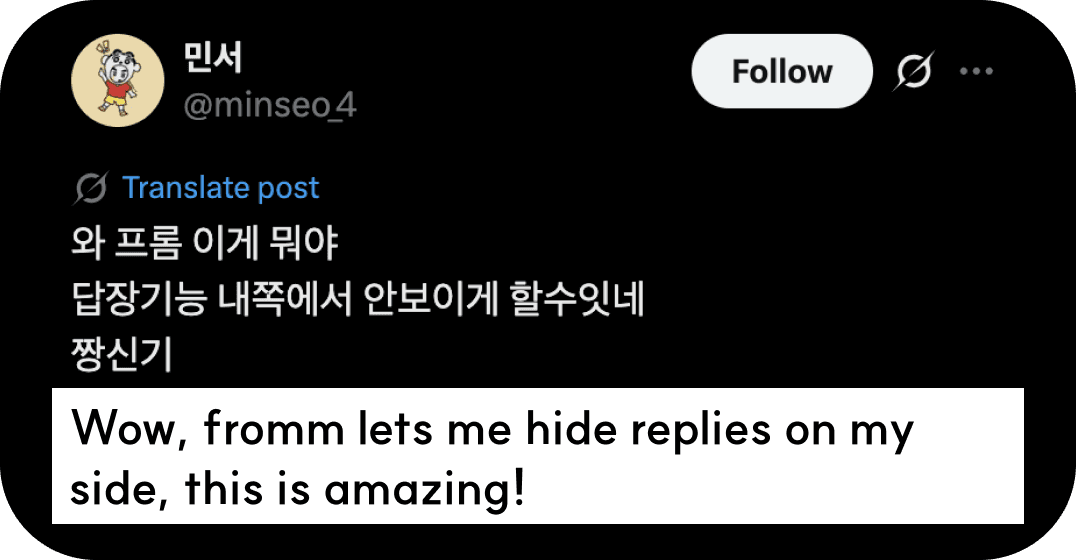
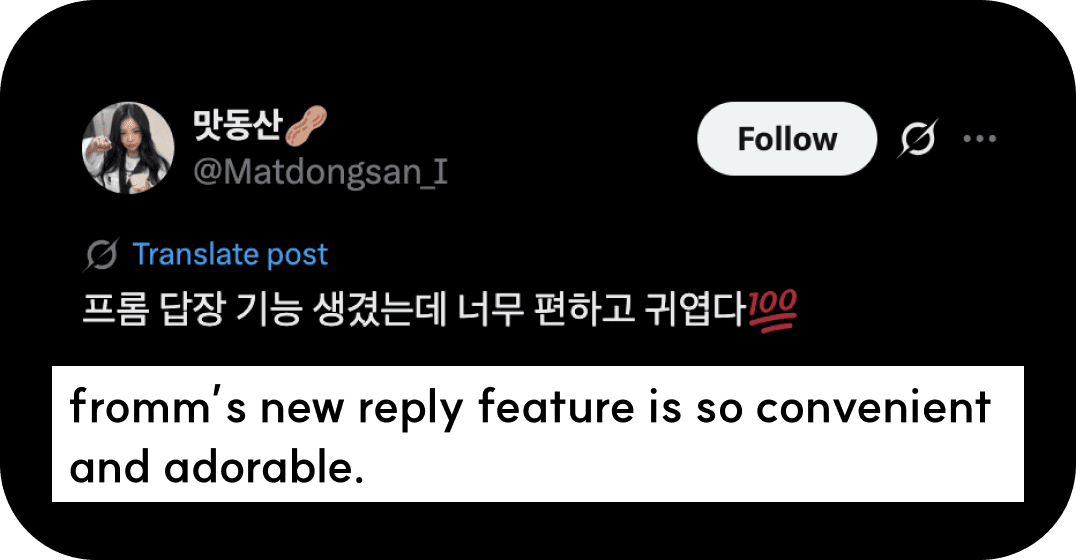
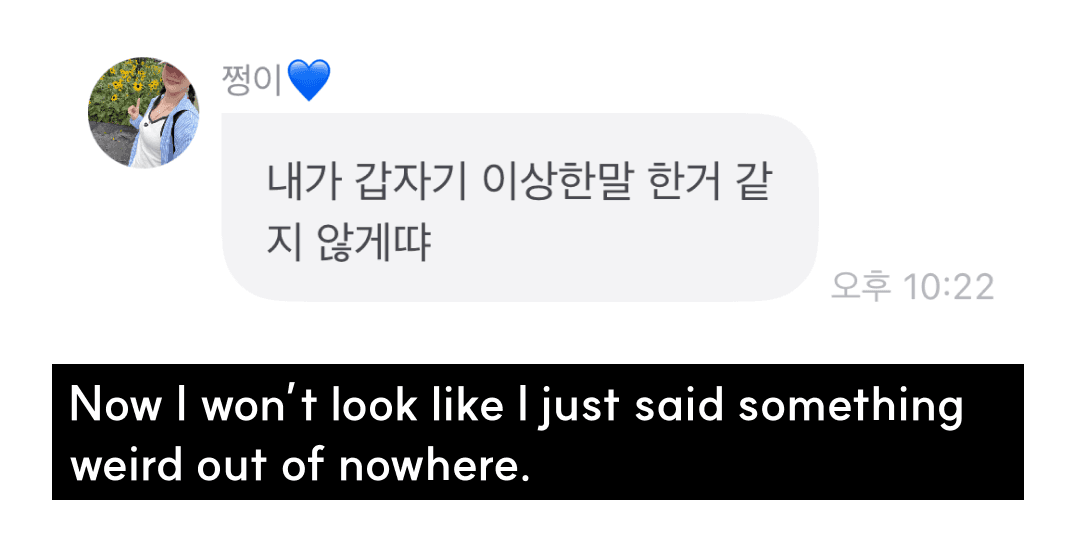
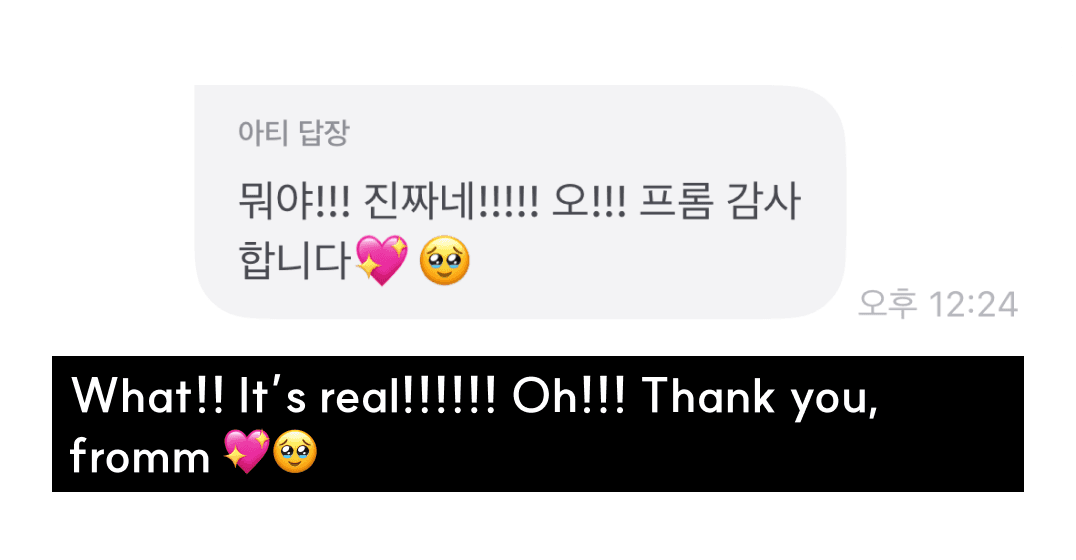
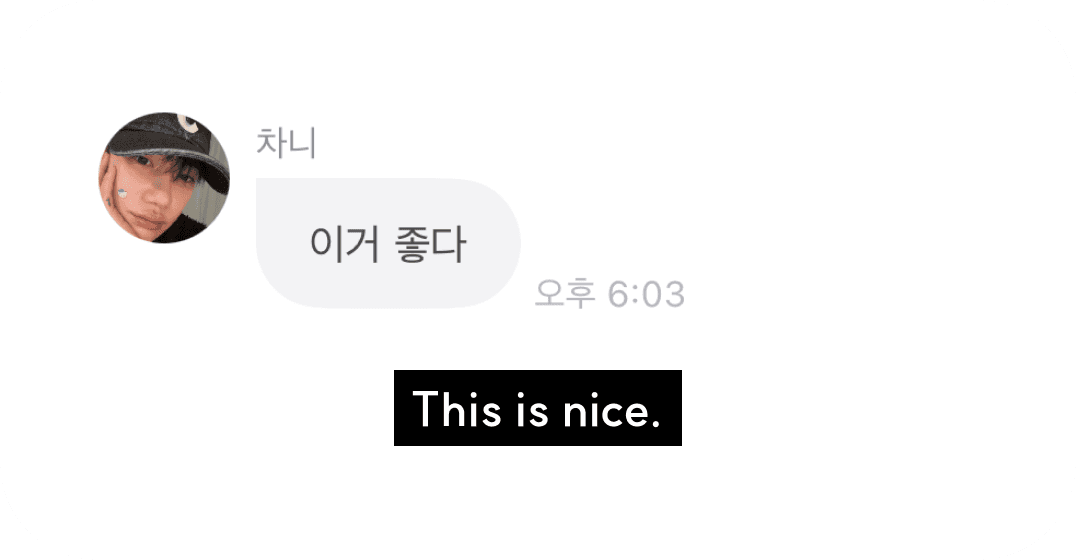
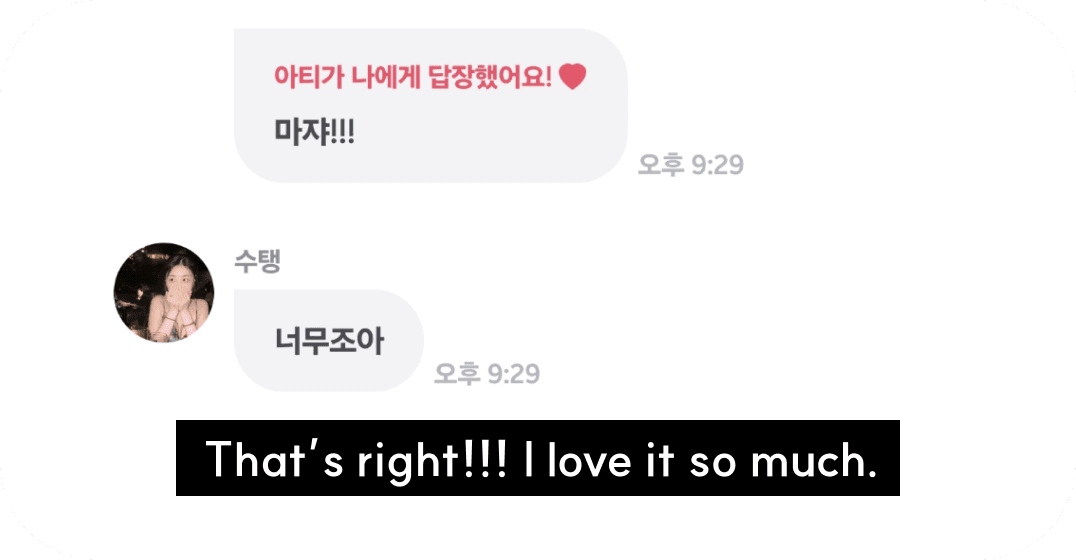
After the launch, many fans on X(Twitter) shared that receiving a reply was a truly special experience.
Design - Artist
Onboarding for artist users
Designed an onboarding flow to help artists find and use new messaging tools. Since messaging features hadn't been updated for two years, many artists joined during this period and may find the update experience unfamiliar. The onboarding flow introduced the new tools before artists entered the chat, so they could find and use them immediately.
Result
Achieved a 65% feature adoption rate through the new onboarding flow.
Design - Artist
Swipe to reply in just 5 seconds
By simplifying the flow, artists began sending messages more frequently.
Result
Increased artist message volume by 4.6% by reducing reply time from 20s to 5s
But it wasn't a complete success.
Iterations
Feedback analysis & Follow up interviews
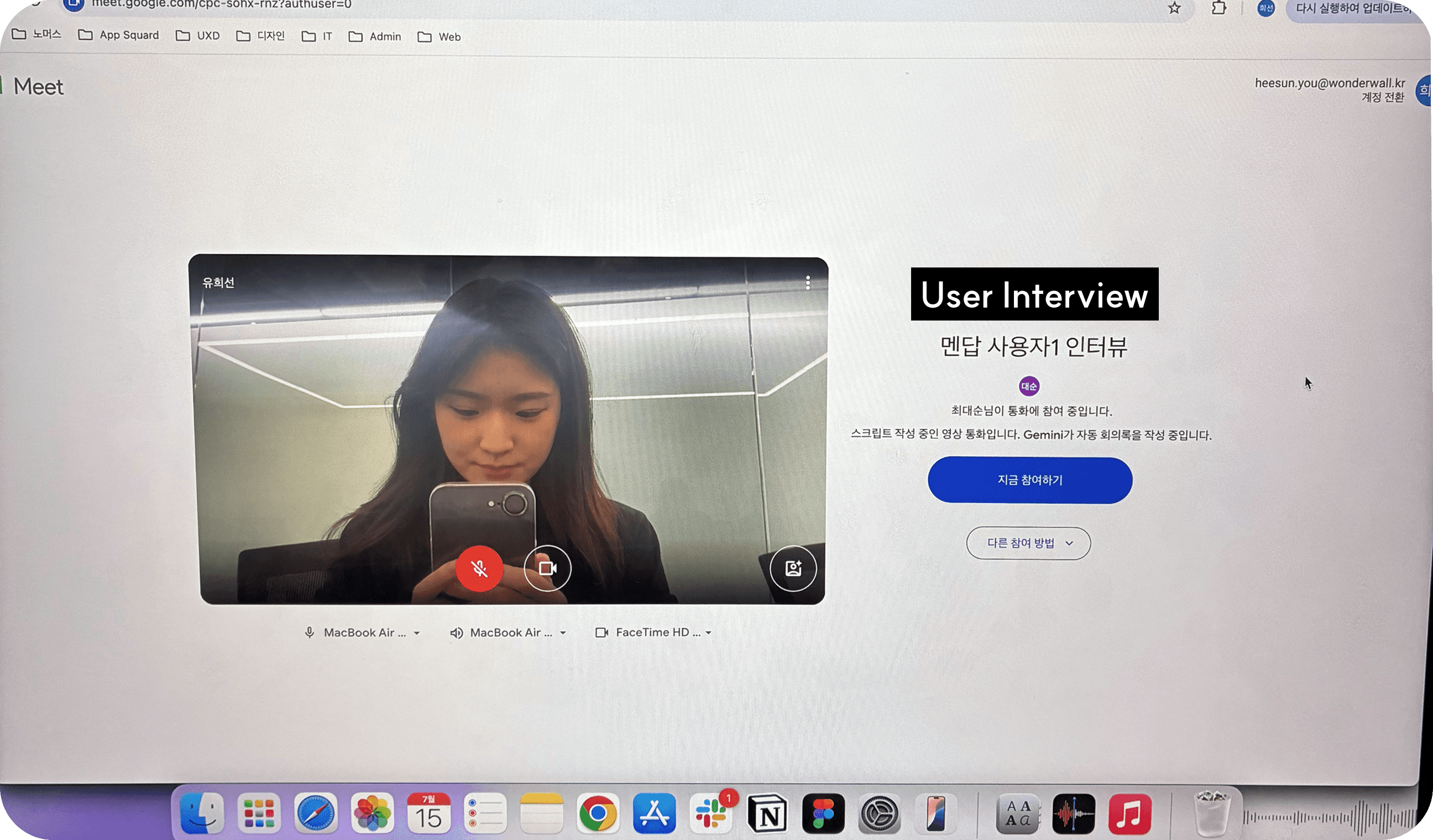
Through follow up interviews, we identified two critical pain points.
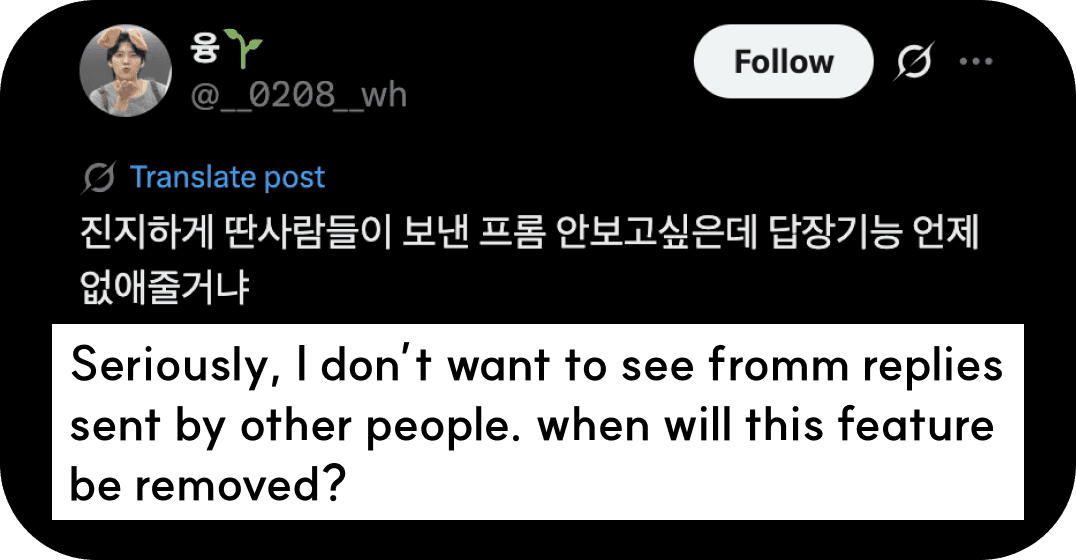
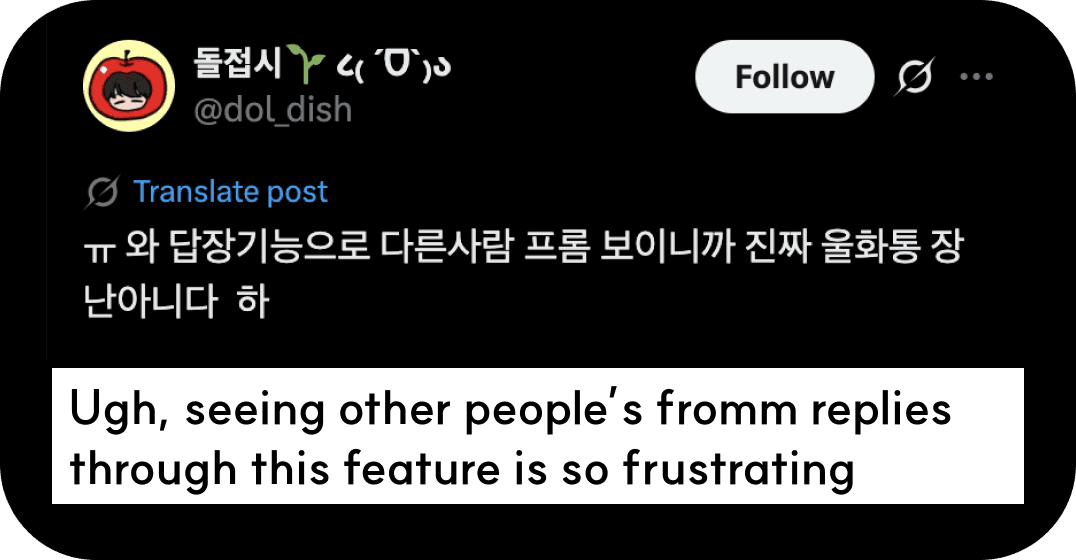
1. Expectation vs Reality: Seeing other fans' messages made it feel like a loud group chat.
2. Exposure to toxic content: Some fans sent mean messages to get attention, making others feel very uncomfortable.
Design - Fan
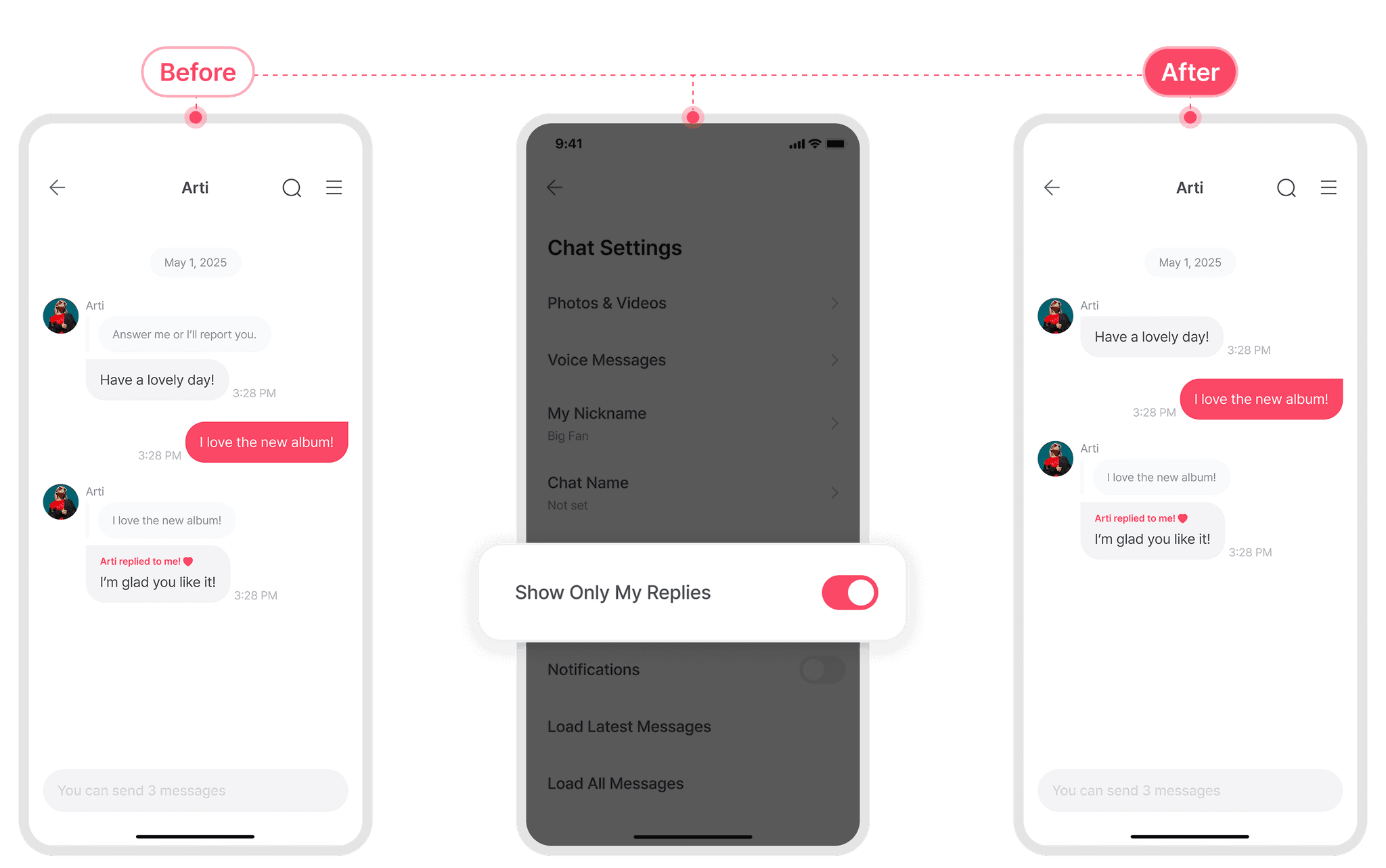
Reply filter for a clearer one-to-one conversation
The “Show only my replies” toggle hides other fans’ messages so users can focus on their own conversation with the artist. They can turn it off whenever they need the full context.
Artist message volume
Feature adoption rate
Positive fan feedback
Fans described the new reply experience positively in social media posts after launch.
Key Learnings
What I Learned as a Product Designer
Learned to make decisions that balance user needs with overall service direction.
Improved problem solving by combining qualitative (interviews, Voice of Customer) and quantitative (metrics, Social Media) data.
Experienced the full cycle: launching a feature, incorporating feedback, and delivering rapid iterations.
Collaborated closely with PMs and engineers under tight deadlines to adjust priorities and balance UX with technical constraints.